
Security
Electric Fence vs Razor Wire for Home Protection

Mar
Introduction of Electric Fence vs Razor Wire
These days, keeping your property safe takes more than just putting up a wall. With security concerns on the rise, homeowners, businesses, schools, and industrial sites are looking for solutions that work well, are safe, and follow the law. Two common options are electric fencing and razor wire.
Both are meant to keep intruders out, but they do it in different ways. In this guide, Hubtech Online Shop will explain how each system works, their advantages and disadvantages, and which one offers better long-term security.
Understanding Electric Fencing in Detail
An electric fence is an active security system that uses a specialized energizer to send short, high-voltage pulses through fence wires. These pulses occur in intervals, making the system safe but extremely effective.
How an Electric Fence Deters Intruders
- The shock is instant and memorable, discouraging repeat attempts.
- The fence creates a psychological barrier—most intruders avoid it once they see warning signs.
- Any attempt to cut, climb, or tamper with the fence can trigger an alarm system.
Advanced Capabilities
Electric fences can be integrated with:
- Sirens and strobe lights
- CCTV systems
- GSM or IP alarm notifications
- Solar power systems for off-grid locations
This means property owners are alerted immediately, not after damage has occurred.
Understanding Razor Wire in Detail
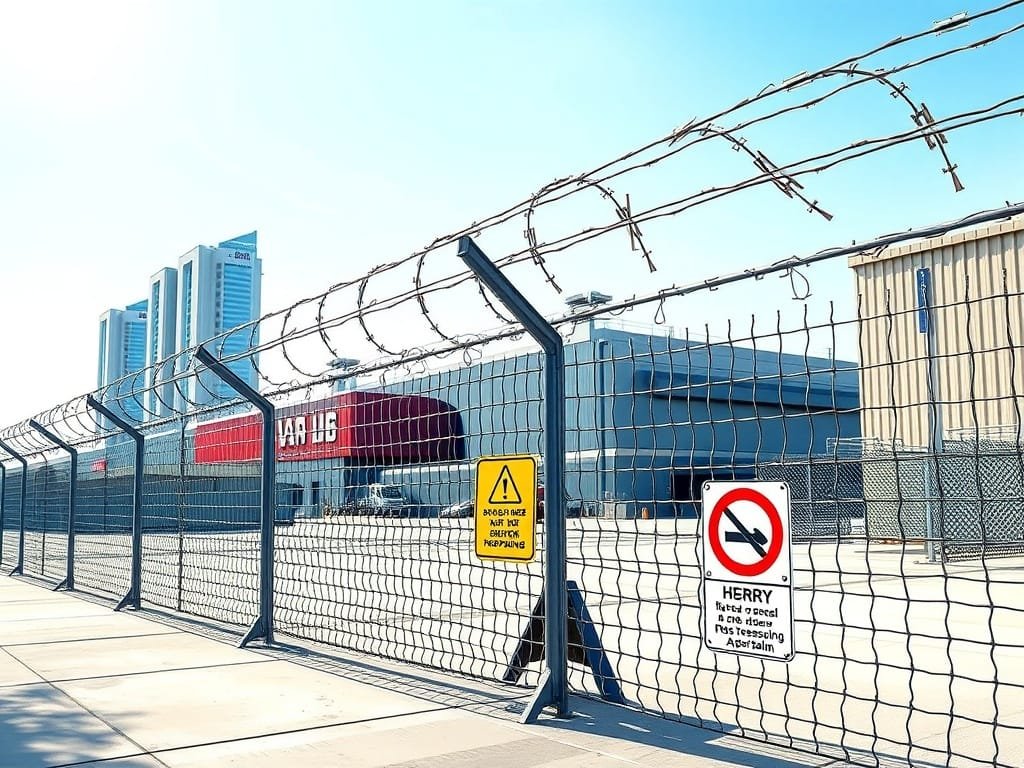
Razor wire is a passive physical barrier made from steel strips with sharp edges. It is typically mounted on perimeter walls or fences to discourage climbing.
How Razor Wire Works
- Relies on fear of injury to deter intruders
- Acts only as a physical obstruction
- Provides no alert or monitoring capability
Safety Comparison: Which Is Less Risky?
Electric Fence Safety
- Designed to be non-lethal
- Meets international electrical safety standards
- Delivers controlled pulses rather than continuous current
- Reduces legal liability for property owners
Razor Wire Safety Concerns
- It can cause deep cuts and serious injuries
- Dangerous to children, animals, and emergency responders
- May expose property owners to legal claims
- Often restricted in residential and public areas.
Security Effectiveness: Active vs Passive Protection
| Aspect | Electric Fence | Razor Wire |
| Intrusion Detection | Immediate alerts | None |
| Response Time | Instant | Delayed |
| Deterrence Strength | Very High | Medium |
| Tamper Resistance | High | Low |
| Monitoring | 24/7 | None |
Maintenance and Longevity
Electric Fence
- Requires minimal maintenance
- Periodic voltage checks
- Clearing vegetation occasionally
- Long service life when professionally installed
Razor Wire
- Rust and corrosion over time
- Blades can loosen or break.
- Requires frequent inspection
- Replacement costs add up.
Cost: Short-Term vs Long-Term Value
Although razor wire has a lower upfront cost, it often results in:
- Higher long-term maintenance expenses
- Increased risk of break-ins
- No return on investment in monitoring or alerts.
Which Should You Choose?
Choose an Electric Fence If You Want:
- Modern, intelligent security
- Immediate intrusion alerts
- Safe and compliant protection
- Integration with alarms and CCTV
- A long-term security investment
Choose Razor Wire If You Need:
- A basic, low-budget barrier
- Temporary or low-risk protection
- No monitoring or alerts
Hubtech Online Shop Recommendation
At Hubtech Online Shop, we strongly recommend electric fencing for:
- Residential homes
- Commercial buildings
- Warehouses and factories
- Schools and institutions
- Farms and estates
Razor wire may still serve as a secondary or supplementary barrier, but it cannot match the effectiveness, safety, and intelligence of an electric fence system.
Conclusion
When comparing electric fencing and razor wire, the difference is clear. Electric fences offer active deterrence, real-time alerts, better safety, and superior long-term value. Razor wire, while simple, is limited and increasingly outdated.
For reliable and modern perimeter security, electric fencing is the smarter choice
