
Introduction
Micros Hand Held Scanners make reading barcodes a fast process. Every day more businesses are discovering the convenience of portable data collection. This improves consumer satisfaction by significantly reducing checkout wait time. Many businesses in Kenya are finding new ways to incorporate portable scanners in every aspect of daily operations. The easy portability of these devices enhances their appeal and versatility.
Micros Hand Held Scanners Defined
Handheld scanners are devices that read printed product barcodes via an electronic light capture. Once the scanner captures the light, it sends the data to the store’s point-of-sale (POS) system. This has eliminated the need for staff to manually enter product codes and has reduced the number of user errors greatly.
Why Businesses Use These Devices
Many shops in Nairobi use micro-handheld scanners to make checkout faster and easier. Long lines can make customers leave without buying. Typing prices by hand takes time and can cause mistakes. These scanners read barcodes quickly and correctly. As a result, shops save time, reduce errors, and give customers a better shopping experience.
Micro Handheld Scanners advantages
Micro handheld scanners are not heavy, easy-to-use designed devices that instantly read barcodes therefore connecting to a point of sale system. They also connect easily to a personal computer or a mobile device. As a result, cashiers do not need to look up or enter prices by hand. Therefore they significantly improve the speed and accuracy of checkout. These scanners are designed for easy mobility, making them ideal for use by cashiers on full-day shifts.
Competitive Advantage when Using Micros Hand Held Scanners
The continual rapid growth of the Nairobi retail marketplace is resulting in an increasingly fierce competition. Manual processes are becoming more difficult to sustain due to the increasing shortage of retail staff. Retail owners are rapidly automating point of sale systems using handheld scanners to achieve speed and accuracy to compete with the larger retail chains.
Streamlined Checkouts with Handheld Scanners
Scanners that employees carry speed up check out processes. These scanners capture product identifiers all at once. Cashiers save time and thus can serve even more customers per time unit. Having shorter lines enhances customer experiences and reduces losses from potential customers leaving the line. Having less strain during even the busiest work days can help a business preserve even its most critical daily sales.
Fewer Customer Issues When Using Scanners
When cashiers enter product prices manually, the result can be undercharging or overcharging a customer. An incorrect charge means a loss of trust and an increase in disputes. A price pull from a systems scanner removes this concern. Increased price pull accuracy protects the margin. Operational stores experience less refunds, complaints, and reconciliation issues due to fewer errors.
Micros Hand Held Scanners that Eliminate Cable Clutter
Scanners that connect with wires leave cashiers tethered to a certain location. Bluetooth and Wi-Fi scanners free cashiers from the check out process and enable them to scan stock disappearing from shelves, supply rooms, and even unloading delivery trucks. Check out clutter is eliminated. Store layouts can even be designed more freely.
Enhanced Stock Control
Handheld scanners make digital stock accuracy less of a challenge by removing time lags caused by manual data updates. Stock counts for managers are real-time due to no physical effort to count them. Stock control is even more critical for relationships with suppliers. Better control leads to a positive impact on purchasing decisions.
Micro’s handheld scanners reduce queue times during peak hours.
Detrimental pressures are created on checkout systems and staff during peak hours. As a result, unreliable, slow scanning leads to longer queues.This therefore encourages frustrated customers to leave purchases behind. To counter this, fast and reliable scanners allow staff to work under strain and maintain an even rate of transaction. Maintaining this rate during peak hours maximizes revenue and customer loyalty.
Durable Design for Daily Retail Use
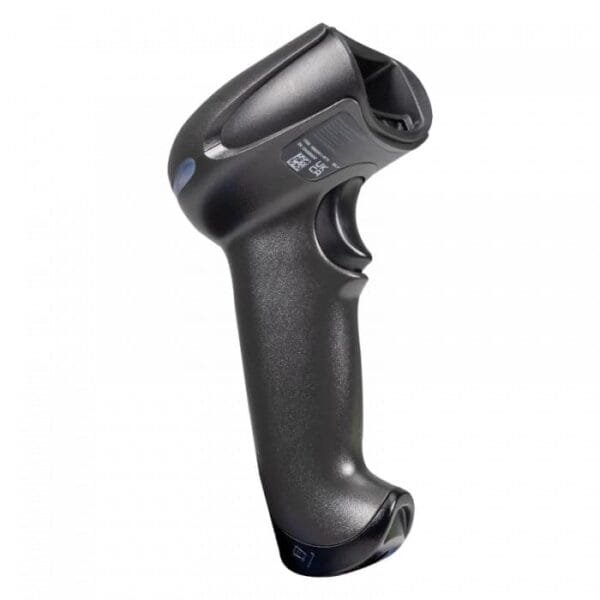
Retail environments are demanding on tools, and staff as well. With the frequent need to handle to and fro and the occasional drop, handheld scanners are designed with rugged casings to stand the test of time against daily retail use. Many have extended protection against dust and drops. To replace a tough scanner means a store would need to pay the cost of a stop in business.
Battery Life that Lasts a Full Shift
Dead scanners cause an immediate disruption to the checkout flow. Staff lose precious time to wait out the charging of the scanner. Therefore, modern devices are designed with extended battery lives for the length of a full work shift. The Rapid charging and long battery lives also enhance the flow of transactions. Hence, it reduces the need for backup units.
Choosing the best Scanner for Your Business
There is no one best scanning device for a business. It all depends on your store’s layout, product offerings, and how much you can spend. Small boutiques can usually make do with some simple, wired options. Wireless options are usually required for bigger stores. You should consider the daily tasks and operations for your business. Therefore,you should consider battery life, how durable the scanner is, and how well the scanner integrates with your POS. The right scanner works with whatever checkout process your business is already using.
Conclusion
Retailers using micro-handheld scanners experience heightened speed and accuracy. Checkouts speed up and maintain correct pricing and inventory adjustments happen in real time. Because these features improve efficiency, employees work faster and customers enjoy better service. Better scanners mean less mistakes and improved consumer confidence. Digital online shop is available to assist Kenyan retailers with these advancements.
